Gas Is $4.28 and Energy Costs Are Up 20%: A Margin Plan for Small Businesses
Gasoline is up 34.2% in a year and energy costs are the second-biggest worry for owners. Here is a step-by-step plan to protect margins without losing customers.
In this article 12 sections
To protect margins when fuel and energy costs jump, first measure how much of your cost base is energy and fuel, then cut waste, renegotiate where you can, and raise prices in a targeted way. Gasoline is up 34.2% from a year ago, and the energy index is up 20.4%. A plan beats a panic.
This guide is for owners of delivery, trades, retail, food and light manufacturing businesses, where fuel and utilities show up on the income statement every month. It covers the latest numbers, a five-step margin plan, and how to talk to customers about price changes. Upstart Wire covers business strategy for owners who have to make these calls, so each step comes with simple math you can run this week.
What the Latest Numbers Say
The Bureau of Labor Statistics (BLS) reported in its September 2026 Consumer Price Index release that gasoline rose 9.1% in the month and 34.2% over 12 months. The energy index rose 5.2% in the month and 20.4% over the year. Electricity was up 4.4% and natural gas up 5.0% from a year earlier.
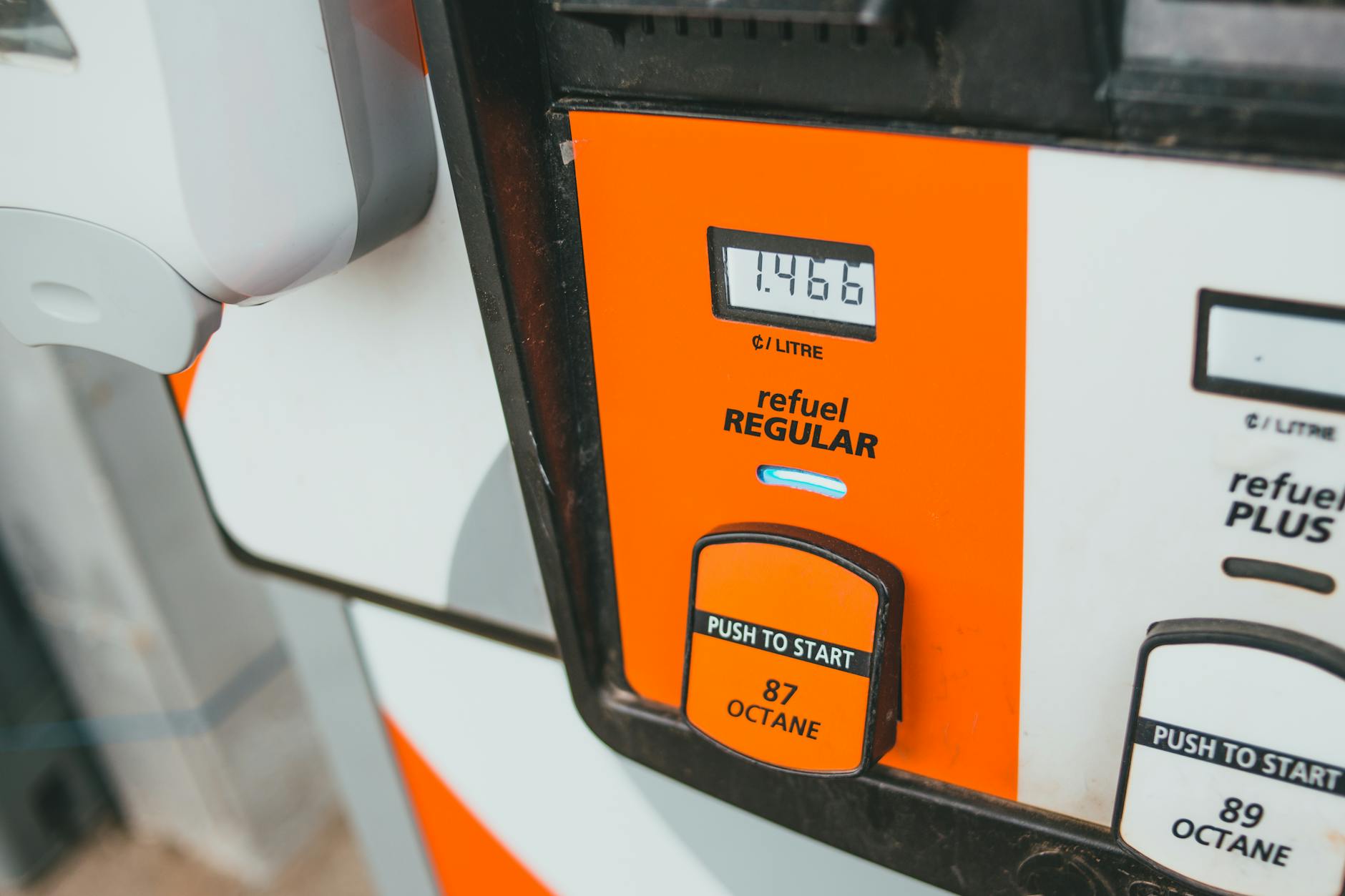
The U.S. Energy Information Administration (EIA) shows the pump price. Its weekly gasoline update put regular gasoline at $4.284 a gallon for the week of October 19, down 4.7 cents from the week before. That is still about $1.27 above a year ago.
The squeeze is not only about the headline. Core prices, which exclude food and energy, rose 2.6% over the year. Energy is doing most of the damage, which means owners with heavy fuel use feel it far more than the average household.

How Worried Are Owners?
Quite worried. A Small Business and Entrepreneurship Council survey of 516 owners, released October 8, put inflation first at 39% and gasoline and energy costs second at 29%. Price anxiety rose from 73% to 81% since February, and concern about a recession rose from 59% to 73%. The sample was an online snapshot of firms with 2 to 99 employees, not a random sample of all small businesses, as Under30CEO summarized.
The same survey found that 36% of owners saw customers spend less over six months, and 34% noticed a shift to cheaper options. That is the trap. Costs are rising while customers trade down, so a simple price hike can backfire.
Step 1: Measure Your Real Exposure
You cannot manage a cost you have not sized. Start by pulling twelve months of fuel and utility bills, and divide each by revenue. That gives you energy and fuel as a percentage of sales, which is the number that tells you how much a price swing really matters.
Then run a simple what-if. A delivery van that drives 15,000 miles a year at 15 miles per gallon burns about 1,000 gallons. If fuel costs $1.27 more per gallon than last year, that van costs about $1,270 more a year. A fleet of six vans adds more than $7,600.
List every vehicle, every major piece of equipment and every utility bill. Rank them by how much each rose in dollars. The top three usually account for most of the pain.
Step 2: Cut Waste Before You Raise Prices
Customers accept price increases more easily when they see you have tightened your own costs first. Fuel and energy savings often come from simple operational changes, not big investments.
These are the first places to look:
- Plan routes so vehicles make fewer trips and less idling.
- Keep tires inflated and engines maintained to protect fuel economy.
- Combine deliveries or set fixed delivery days.
- Switch off lights and equipment you do not use, and check thermostat schedules.
- Ask your utility whether it offers a free energy assessment or efficiency rebates.
Efficient equipment can pay back over time. If you are weighing a purchase before year-end, our guide to Section 179 and year-end equipment buying explains the tax side.

Fuel Is Not the Only Energy Line
Many owners focus on the pump and miss the meter. Electricity is up 4.4% over the year and natural gas up 5.0%, which is far less than gasoline but still adds up for a bakery, a cold storage room or a machine shop. A refrigerator that runs all day costs the same to cool whether sales are strong or weak.
Look at the biggest loads in your building. Refrigeration, heating, compressors and lighting usually dominate. Simple fixes include door seals on coolers, timers on signs and heaters, and LED bulbs in the places where lights run the longest. None of these needs a loan, and each one lowers your fixed cost.
Check how your utility bills you, too. Some rates charge more for peak-hour use, so shifting heavy work to off-peak hours can trim the bill without cutting output.
Step 3: Review Contracts and Suppliers
Look at every agreement that touches energy. Ask your electricity or gas supplier about fixed-rate contracts where they are offered in your area. A fixed rate protects you if prices rise further, though it can cost more if prices fall, so weigh the tradeoff against your cash cushion.
Talk to your own suppliers as well. Many pass fuel costs along through surcharges. Ask what triggers a surcharge, when it ends and whether bulk or scheduled orders reduce it. A short call can save more than a month of route tweaks.
Should You Add a Fuel Surcharge or Raise Prices?
For businesses with delivery or travel, a visible fuel surcharge is usually better than a permanent price hike. A surcharge ties the extra cost to a clear cause and can come off when prices fall. A price increase tends to stick, which is useful if costs stay high but harder to reverse if they drop.
Use a surcharge when fuel is a distinct, measurable cost, such as delivery, mobile services or freight. Use a price increase when energy sits inside your product cost, such as baking, manufacturing or cold storage. Many owners combine both, with a small price change and a surcharge that adjusts.
Keep the amount tied to math. A $1,270 annual fuel increase per van spread across 2,000 deliveries is about 64 cents a stop. That is easier to explain than a vague 5% increase.

Step 4: Price in Targeted Steps
Raise prices where customers care least and your costs have risen most. Our look at how to decide on a holiday price increase covers what small business data says about timing. The short version is to test, not guess.
- Rank products and services by margin and by how sensitive customers are to price.
- Raise the lowest-margin items first, since they are hurt most by energy costs.
- Offer a cheaper option or a smaller size so customers who trade down stay with you.
- Review results after two to four weeks and adjust.
With 34% of owners seeing customers shift to cheaper options, a tiered menu can keep revenue from slipping. Customers who trade down are still customers.
Step 5: Protect Cash While Prices Stay High
Margins are only one part of the picture. A profitable month can still leave you short of cash when fuel and utility bills are due before customers pay. The SBE survey found 54% of owners say lack of capital is holding back growth, up from 43% in February.
Update your cash forecast with the higher costs, and look at the next three months. Our guide on cash flow versus profit explains how a healthy income statement can still produce a cash crunch. Keep a reserve, and consider shortening the time customers take to pay.

How to Tell Customers About Price Changes
Be early, specific and brief. Send a short note that names the reason, such as fuel and utility costs, states the change and gives a start date. Customers handle a clear explanation better than a surprise on an invoice.
Offer something in return where you can, such as a discount for scheduled deliveries or a loyalty price for repeat orders. Upstart Wire's editors checked each statistic above against the BLS, EIA and survey sources, and the vehicle example is simple arithmetic on those inputs. Fact-checked as of October 24, 2026.
Common Mistakes When Costs Spike
The first mistake is waiting. Costs that rise 20% do not fix themselves in a month, and margin lost in the meantime does not come back. Act on the part you control, even if you cannot yet predict where prices will land.
The second is raising every price by the same percentage. That hits your most price-sensitive customers hardest and leaves money on the table with the rest. The third is hiding the change. Customers who feel surprised stay angry much longer than customers who were told in advance.
Conclusion
Higher fuel and energy costs are a measurable problem, and a planned response works better than a scramble. Size your exposure, cut waste, review contracts, price in targeted steps and protect your cash. Start today by pulling twelve months of fuel and utility bills and dividing them by revenue. That one number will show how much room you have.