Section 179 in 2026: A Year-End Equipment Buying Plan While Uncertainty Runs High
Only 22 percent of owners plan capital spending, yet the 2026 tax rules favor buying equipment. Here is how to decide without overreaching.

In this article 7 sections
Section 179 lets a small business deduct up to $2,560,000 of qualifying equipment in 2026, and bonus depreciation is back at 100 percent for most new purchases. That helps, but a deduction is not a reason to buy. Buy only if the equipment earns more than it costs and you can survive a soft quarter after paying for it.
This guide is for owners and founders deciding on year-end purchases of machines, vehicles, computers and tools. It explains the 2026 rules in plain terms, why uncertainty matters right now, and a simple process for deciding. Upstart Wire covers the operating decisions that decide whether a company survives, and big purchases are among the riskiest of them. This is general information, not tax advice, so confirm details with a CPA.
What Are the 2026 Section 179 and Bonus Depreciation Rules?
For tax year 2026, the Section 179 maximum is $2,560,000, with a phase-out starting at $4,090,000. Bonus depreciation is 100 percent for qualified property acquired and placed in service after January 19, 2025. Both figures come from IRS Publication 946, which also lists a $32,000 cap for sport utility vehicles.
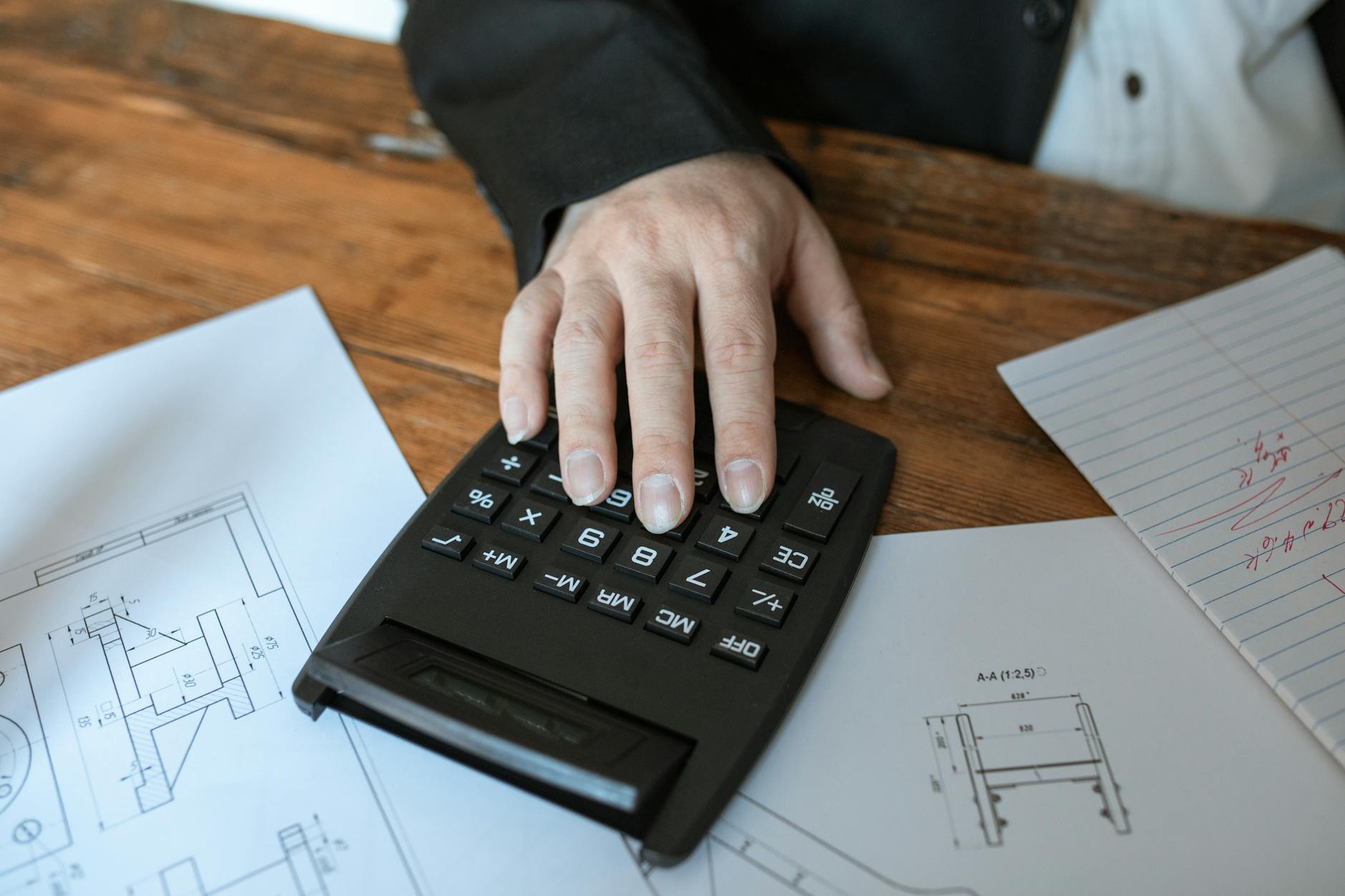
Section 179 lets you deduct the cost of qualifying equipment in the year you buy it, instead of spreading the deduction over many years. Bonus depreciation does something similar for the cost that remains. In practice, many owners apply Section 179 first and bonus depreciation to what is left.
The 2025 figures were a $2,500,000 maximum and a $4,000,000 threshold, so the 2026 limits are slightly higher. The publication notes that bonus depreciation was reinstated by Public Law 119-21, known as the One Big Beautiful Bill Act. Taxpayers may elect a lower 40 percent rate for the first tax year ending after January 19, 2025.
Not all property qualifies the same way. New rules also created a category called qualified production property, which gets 100 percent treatment when placed in service after July 4, 2025. Rules differ for vehicles, buildings and some leased items, so a short call with your accountant is cheap insurance.
Why Does Uncertainty Matter for This Year's Purchases?
Owners are cautious right now. In the NFIB's September survey, only 22 percent planned capital spending over the next six months, down 2 points. The Uncertainty Index rose to 90, far above its historical average of 68, according to a summary of the NFIB report.
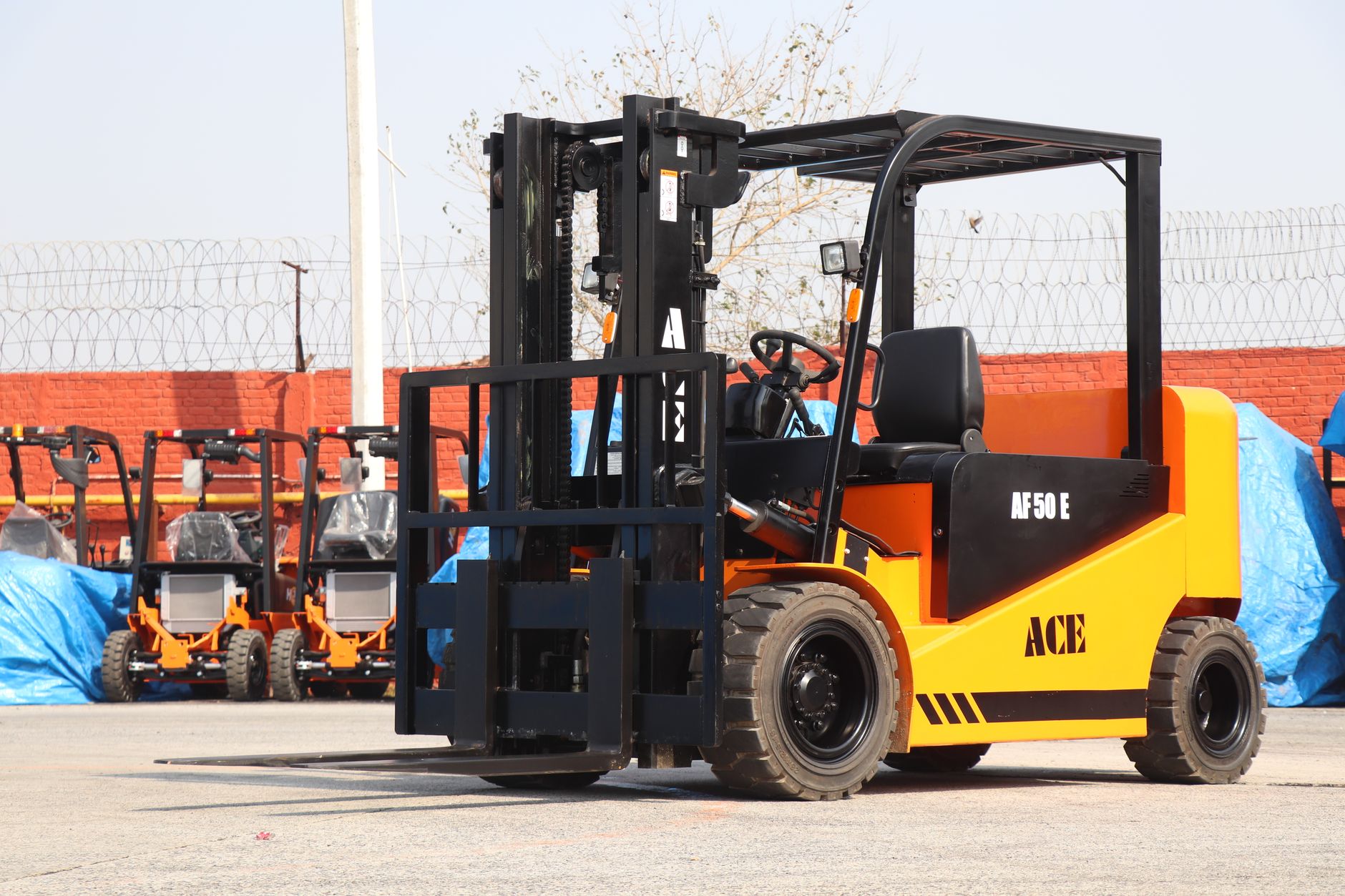
The same report puts the Optimism Index at 97.9, just under its 52-year average of 98.0. Fewer owners said it is a good time to expand. A net 31 percent plan to raise prices over the next three months, and 20 percent named inflation as their top problem.
What does that mean for a buyer? It means the tax break is real, but so is the risk. When most owners hold back, fewer customers may be expanding too. Demand for your products could soften at the same moment your equipment payments begin.
The right response is not to freeze. It is to buy only what pays back quickly and to stress-test the plan against a weaker year. A machine that earns its cost in eighteen months can survive a bad quarter. A machine that needs three years of perfect sales cannot.
How Do You Decide Whether to Buy Equipment Before Year End?
Decide using payback, not the deduction. Estimate how much extra profit the equipment adds each month, divide the purchase price by that number, and compare the payback time with how long you can fund the purchase. If payback runs longer than your cash runway under a weak scenario, wait.

Here is a simple process for a purchase decision.
- Write down what the equipment will do: add capacity, cut labor, improve quality or replace a failing machine.
- Estimate the monthly profit gain in a base case and in a case where sales fall 15 percent.
- Calculate payback months for both cases.
- Confirm the cash or financing you will use, and check payments against your weak case.
- Ask your accountant how much deduction you can actually use this year.
- Confirm the delivery and installation date, since the equipment must be placed in service by December 31.
The fourth step is where owners get hurt. Our guide to why profitable companies still run out of money explains how a deduction can look generous on paper while cash disappears. Taxes are saved later, and the loan payments start now.
Use break-even math to test the case. Our explainer on break-even analysis shows how to calculate how much extra volume you need to cover new fixed costs. A purchase that raises your break-even point is a bigger bet than one that lowers it.
What Is a Worked Example of the Tax Math?
Take a shop that buys a $120,000 machine. If the owner can use the full Section 179 deduction, the whole $120,000 reduces taxable income this year. If the business is in a combined 25 percent tax bracket, the tax saving is about $30,000. The machine still cost $120,000, so the real net cost is closer to $90,000.

That is an illustration, not a forecast. Your bracket, state rules and income limits will change the result. The point is the ratio. A deduction returns a fraction of the cost, never all of it.
The table below compares two buyers using the same machine.
| Item | Buyer A | Buyer B |
|---|---|---|
| Machine cost | $120,000 | $120,000 |
| Estimated tax saving at 25 percent | $30,000 | $30,000 |
| Monthly profit gain | $5,000 | $1,500 |
| Payback on net cost of $90,000 | 18 months | 60 months |
| Verdict | Strong case | Weak case, tax break masks it |
Buyer B gets the same tax break and a far worse deal. The deduction hides the problem. That is why payback should drive the decision.
How Should You Pay for It?
Pay with cash if your reserves stay healthy afterward, and finance if the payments fit a weak-case budget. Interest costs matter too. With rates higher than they were a few years ago, a variable-rate loan can erode the benefit. Our playbook for variable-rate debt after the Fed's hike explains how to protect yourself.

Lenders may ask for more detail than you expect. If you have been turned down before, our look at why most small business loans get rejected lists the usual reasons.
Keep a reserve. A rule of thumb many operators use is to leave at least three months of fixed costs in the bank after the purchase. That number is a guideline, not a law, but it forces an honest conversation about risk.
Finally, remember that plans slip. Our piece on why most strategic plans die in the third quarter shows how often year-end projects fall behind. A delayed delivery can push equipment into next year and cost you the deduction you planned on.
Which Mistakes Do Owners Make With Year-End Equipment Deals?
The most common mistake is buying for the deduction alone. A close second is ignoring the placed-in-service date. Equipment that sits in a warehouse awaiting installation may not count for this year, and a missed date can turn a planned deduction into a deferred one.
Another mistake is forgetting the income limit. Section 179 cannot create a loss in most cases, because the deduction is limited by your business income. If your profit is thin, you may not be able to use the full amount this year. Bonus depreciation and carryforwards can fill part of the gap, but your accountant should run the numbers.
Owners also underestimate the extras. Delivery, installation, training, insurance and maintenance all add cost. Some of those may qualify for the deduction and some may not. Ask for a full quote that lists every charge, and plan for the first year of downtime while your team learns the equipment.
A fourth mistake is skipping the used-equipment option. Qualified used property can be eligible in many cases, and it often costs far less. A used machine with a shorter payback may beat a new one with a longer payback, even if the new one looks better on a brochure.
Keep records. Save the invoice, the delivery receipt, the installation date and a note on how the equipment is used in the business. If you are ever asked to support the deduction, those documents answer the question quickly.
What Is the Bottom Line for Year-End Equipment Buying?
Use the tax rules as a tiebreaker, not a reason. If a purchase pays back within your cash runway even in a weak year, buy it and use the deduction. If it only works because of the deduction, skip it. At Upstart Wire, our editors reviewed the IRS figures on October 23, 2026, and recommend a CPA check before you sign.
Start this week. Delivery times, financing approval and installation can each take weeks. A clear decision in October leaves room for the unexpected. A rushed one in late December leaves none.