How to Decide on a Holiday Price Increase: What Small Business Data Says for 2026
Shoppers will send a record $118 billion to small businesses this season, yet 43% of owners are still hesitating on prices. Here is how to run the numbers before you act.

In this article 9 sections
To decide on a holiday price increase, calculate how much your costs rose, find the price that restores your target margin, and estimate how much volume you can lose before profit falls. Shoppers plan to send a record $118 billion to small businesses this season, but only 9 percent see price hikes as fully justified.
Upstart Wire covers the operating decisions that decide whether a company survives, and pricing is among the biggest. This guide is for owners of small retail, ecommerce, and service businesses heading into the busiest quarter of the year. It uses fresh survey data and a worked example you can copy into a spreadsheet.
What Does the Latest Data Say About Holiday Demand and Prices?
Demand looks healthy, and owners are cautious about pricing. An Intuit QuickBooks holiday report, summarized by Stacker's coverage, projects consumers will spend about $278 billion, up 5.7 percent. About $118 billion of that should go to small businesses, an increase of 8.3 percent.
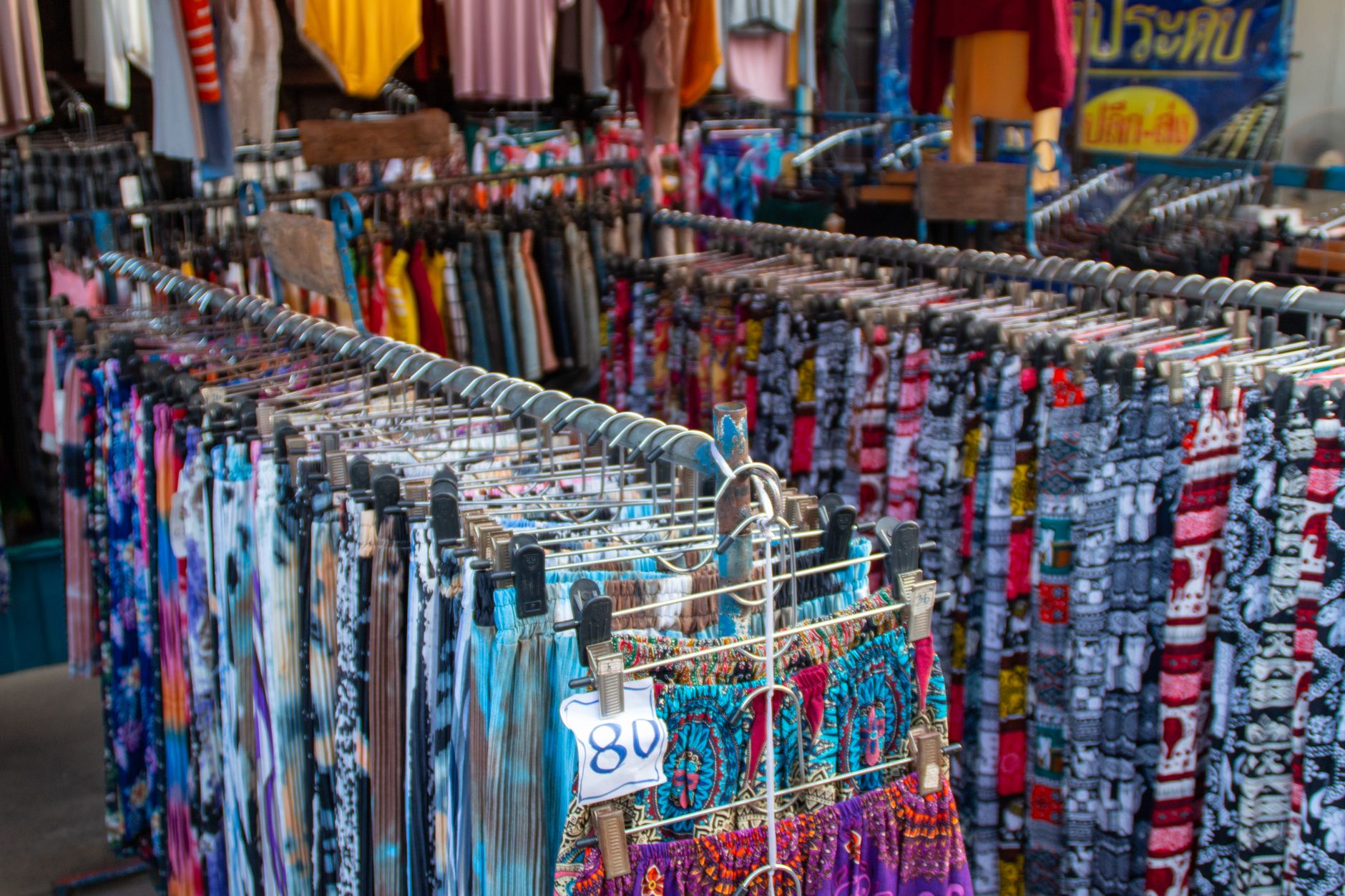
Shoppers are leaning local. The small business share of holiday spending is 43 percent, up from 41 percent in 2025 and 36 percent in 2024. Meanwhile, 76 percent of small businesses expect to earn more than last season, compared with 65 percent a year ago.
Pricing is the tension. Of the owners surveyed, 38 percent have raised prices or plan to, and another 43 percent are considering it but hesitant. On the shopper side, 49 percent say price increases are not really or not at all justified, and only 9 percent say they are fully justified. That gap is the problem to solve.
Are Tariffs Still Driving Costs?
They matter less than a year ago, though they have not gone away. The same report found 29 percent of small businesses say tariffs have not affected them at all, up from 23 percent. Owners reporting a significant impact fell from 69 percent to 64 percent.
Many still carry the cost. About 48 percent bought extra inventory before tariffs took effect, and 36 percent of those are restocking at noticeably higher prices. Thirty percent have shifted to U.S.-based suppliers, while 18 percent want to but have not found a domestic option.

Broader inflation worries owners too. In the September NFIB survey, as summarized by the National Association of Manufacturers, 20 percent named inflation their top problem, and a net 31 percent of owners raised prices. Raising prices is common. Doing it well is the hard part.
How Do You Work Out the Price You Actually Need?
Start with unit economics, not with what competitors charge. Take a product that sells for $40 and costs $24 to buy and ship. Your gross margin is 40 percent, or $16 per unit.
Now suppose costs rise 5 percent, to $25.20. At the old price, your profit falls to $14.80 and your margin to 37 percent. To restore a 40 percent margin, divide the new cost by 0.60. That gives $42.00, a 5 percent price increase.
This table shows the numbers side by side.
| Scenario | Price | Unit cost | Profit per unit | Margin |
|---|---|---|---|---|
| Before cost increase | $40.00 | $24.00 | $16.00 | 40% |
| Costs up, price unchanged | $40.00 | $25.20 | $14.80 | 37% |
| Costs up, price restored | $42.00 | $25.20 | $16.80 | 40% |
If a product is a loss leader or a gift item shoppers compare online, you may choose not to restore the full margin. The point is to make that choice on purpose. Our guide to five pricing mistakes that quietly kill margins covers the traps in more depth.
How Much Volume Can You Lose Before the Increase Backfires?
Compare profit before and after. In the example, raising the price to $42 gives $16.80 per unit, against $14.80 if you hold at $40. Divide 14.80 by 16.80 and you get 0.88. You can lose about 12 percent of unit sales before total profit falls below the no-increase case.

That number is your guardrail. If you expect fewer than 12 percent of customers to walk away over a $2 increase, the change pays. If the item is highly price-sensitive and you expect a bigger drop, hold the price and look elsewhere for margin.
Check your fixed costs as well. A business with high fixed costs needs volume to cover them, so a sales drop hurts more than the unit math suggests. The one number every owner should know is break-even, and our walkthrough of break-even analysis shows how to calculate it for the whole business, not just a single product.
Which Products Should Take the Increase?
Raise prices where customers have the fewest close substitutes and the least price awareness. Handmade, personalized, and giftable items usually tolerate increases better than commodity goods. Items that shoppers can price-check in seconds are riskier.
Use a simple sort. List your top 20 products by revenue. Mark each as high, medium, or low in price sensitivity. Raise the high-tolerance items first, hold the traffic drivers, and leave low-tolerance items alone until January. Upstart Wire's editors suggest limiting the first round to a fifth of your catalog.
There are also options that avoid a sticker change. You can raise the free-shipping threshold, trim sample sizes or bundles, or add paid upgrades such as gift wrap. Shoppers expect shipping to cost more anyway: 41 percent expect higher shipping and delivery costs this year, up from 33 percent. Adjusting shipping may draw less pushback than changing item prices.
How Do You Test and Communicate the Change?
Run a two-week test and track units, not only revenue. Revenue can rise while unit sales fall, which hides a problem for next quarter. Compare each tested product with its sales over the same days last year and with a similar product you did not change.

Use a short checklist.
- Pick five to ten products for the first round.
- Record current price, unit cost, and weekly units for each.
- Change prices on a Monday, so you get full weeks of data.
- Review units and margin after seven days and again after fourteen.
- Keep, adjust, or roll back each price based on your guardrail number.
Explain the change briefly. Shoppers respond better to a plain sentence about material costs than to an apology. Offer something in return, such as a bundle discount or free gift wrap on larger orders. Cash flow matters during a busy season too, and our explainer on why profitable companies still run out of money is a reminder to plan inventory purchases around real cash, not just projected margin.
What Mistakes Do Owners Make With Holiday Pricing?
The most common mistake is changing everything at once. A store-wide increase of 5 percent feels simple, yet it hits price-sensitive items hard and leaves tolerant items underpriced. Selective changes protect both traffic and margin.
A second mistake is waiting until costs have already squeezed profit for months. Because 43 percent of owners are still considering an increase, many will move in the same weeks, and shoppers will notice rising prices everywhere. If your costs have genuinely changed, acting early with a clear explanation beats a panicked jump in December.
A third mistake is ignoring discounts. A price increase paired with heavy promotions can leave the net price lower than before. Review your planned sales and coupon codes against the new prices, and make sure the deepest discounts land on products where you still earn a healthy margin.
Finally, many owners forget to set a date to review. A price made in October should be reviewed in January with real data. Put the review on your calendar now, so a temporary holiday choice does not become a permanent one by accident.
What Else Should Owners Prepare for This Season?
Preparation is up. Sixty-seven percent of small businesses began preparing by September or earlier, compared with 64 percent last year. Fewer owners call the season critical: 47 percent do, down from 59 percent. That suggests more owners are spreading risk across the year.
Channels matter. According to the survey, 23 percent of shoppers say they are most likely to buy from small businesses through social platforms such as Instagram and TikTok. Younger shoppers also use buy now, pay later more often, so flexible payment options may lift conversion. And 46 percent of small businesses say they have already made themselves easier to find through AI search tools.
These steps cost far less than a blanket price increase and may protect your margin better. Treat pricing as one lever among several.
Conclusion: Price on Purpose
The practical answer is to use math, not nerves. Work out the price that restores your margin, calculate how much volume you can afford to lose, raise prices on a few tolerant products first, and watch units for two weeks.
Your next step today is to open a spreadsheet, list your top 20 products, and fill in price, cost, and margin. In half an hour you will know which prices are costing you money, and which ones are fine to leave alone.