Contractor or Employee? How Startups Should Classify Their First Hires
Early-stage founders lean on freelancers to stay lean, but the wrong label creates tax and wage risk. Here is a practical way to decide, document, and stay out of trouble.

In this article 7 sections
Classify a worker as an employee when you control how, when, and where the work happens, and the work is central to your business. Classify as a contractor only when they run their own business, set their own methods, and serve other clients. When the facts are mixed, document your reasoning and ask a lawyer.
Deciding whether a hire is a contractor or employee is one of the first legal choices a young company makes, and it usually happens in a hurry. A founder needs a designer next week and a bookkeeper by month end. Paperwork comes later, if at all.
This guide is for founders and early operators who are about to bring on their first ten workers. Upstart Wire covers the practical decisions behind building a company, and this piece walks through the tests, the paperwork, and the common traps. It is general information and not legal advice, and it reflects federal guidance as of October 2026.
Why Does Worker Classification Matter for a Startup?

Worker classification matters because it decides who pays payroll taxes, who gets overtime and minimum wage protection, and who carries the risk if a relationship ends badly. A contractor invoices you and handles their own taxes. An employee goes on payroll, and you withhold and match taxes.
Founders like contractors because they cost less on paper. There are no benefits, no payroll tax, and no long-term commitment. The risk sits in the gap between what the contract says and how the work actually runs.
The U.S. Department of Labor (DOL) calls misclassification "a serious problem" on its worker misclassification page. It explains that a misclassified worker may miss the minimum wage and overtime pay the Fair Labor Standards Act (FLSA) requires, along with other legal protections. The department's rule at 29 CFR Part 795 sets out the current guidance, which took effect on March 11, 2024.
Rules are still moving. Our coverage of the DOL independent contractor rule and a small business audit checklist follows the latest changes, so check it before you finalize any agreement.
The Tests Regulators Use to Decide Contractor or Employee
Regulators use multi-factor tests, and no single factor decides the outcome. The IRS groups its evidence into behavioral control, financial control, and the type of relationship. The DOL looks at the economic reality of the working relationship, meaning whether the worker is truly in business for themselves.
The Internal Revenue Service (IRS) says there is "no magic or set number of factors" in its guidance on independent contractor, self-employed, or employee status. Businesses must weigh all the facts together and record how they reached the answer.
Use this table as a quick screen. It summarizes the three IRS categories and the questions founders should ask:
| Category | Question to ask | Points to contractor if |
|---|---|---|
| Behavioral control | Who decides how the work is done? | The worker sets methods and hours |
| Financial control | Who pays for tools and carries losses? | The worker supplies tools and risks profit or loss |
| Type of relationship | Is it ongoing and central to the business? | It is a defined project with a clear end |
Notice that a signed contract is only one piece. A document that says "independent contractor" does not outweigh daily facts that look like employment.
Signs a Worker Is Really an Employee
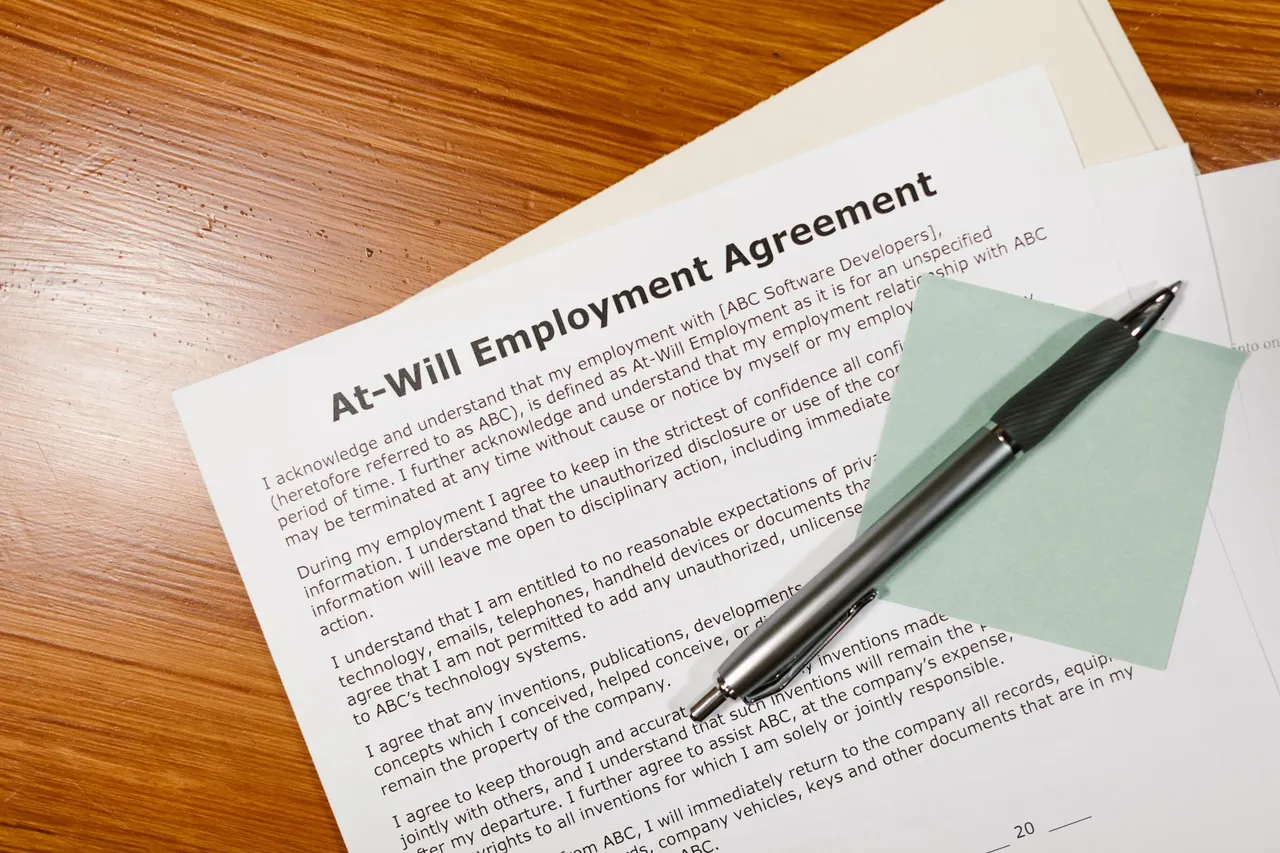
A worker is likely an employee when you set their schedule, direct their methods, supply their equipment, and expect them to work mainly for you. These facts show control, which is the center of every test. Founders often miss them because the relationship grew gradually.
Watch for the following warning signs in your own arrangements:
- The worker has a company email address and attends all team meetings.
- You set daily hours or require approval for time off.
- The person works only for you, month after month.
- Their work is the main thing your company sells.
- You train them in your internal process.
Remote work does not change the analysis. The IRS notes that a remote worker is still an employee if you control what gets done and how.
Consider a common example. A startup hires a "freelance" customer success rep who works forty hours a week for eight months using the company's tools. Whatever the contract says, those facts point toward employment.
When Does a Contractor Arrangement Make Sense?
A contractor arrangement makes sense when the work is a defined project, the person runs an independent business, and they decide how to deliver the result. A brand designer who builds your logo, invoices a flat fee, and serves several other clients fits the pattern well.
Short, specialized engagements usually work best. Think of a one-time security audit, a legal review, or a website build. The worker brings their own tools and takes responsibility for their own results.
Three habits keep these arrangements clean. Use a written agreement that defines the deliverable. Pay by project or milestone, not by the hour of presence. And let the contractor work on their own schedule with their own methods.
If you plan to use a person for more than six months in a role that looks like a staff job, start a conversion plan. Hiring them as an employee costs more up front but protects both sides.
There is a real counterpoint to all this caution. Some founders worry that putting everyone on payroll will drain a thin runway. That concern is fair, and the answer is to be selective. Keep truly project-based work with contractors, and put the people who run core functions on payroll.
Budget for the difference as well. Employer payroll taxes, workers' compensation, and benefits commonly add a meaningful share on top of base pay. Build that into your hiring plan before you make an offer, so the cost never comes as a surprise to you or to the new hire.
Finally, talk openly with the worker. Many freelancers prefer to stay independent, and some want the stability of a job. A short conversation about which model suits each side avoids hard feelings later and often settles the question for you.
Taxes and Paperwork You Cannot Skip

Treating an employee as a contractor without a reasonable basis can leave the business liable for employment taxes, according to the IRS. That is why paperwork matters from day one. Collect a Form W-9 from every contractor, and file the correct information returns at year end.
For employees, set up payroll, withholding, and workers' compensation coverage before the first day of work. Many founders use a payroll provider for this. It costs little compared with the cost of fixing a mistake later.
The IRS also offers two relief paths for businesses that got it wrong. The Voluntary Classification Settlement Program lets a company reclassify workers as employees going forward with partial relief from past federal employment taxes. A business that is unsure can ask for an official ruling on Form SS-8, though the IRS notes that can take at least six months.
Do not forget state rules. Several states apply stricter tests than federal law, and some require insurance or registration for any worker. Check your state labor department before you sign agreements.
How to Build a Clean Classification Process

A clean process takes about an hour per hire and gives you a paper trail if a regulator or a worker ever asks questions. Build it once and reuse it.
Follow these steps for every new worker:
- Describe the work and how long it will last.
- Score the three IRS categories in writing.
- Choose a classification and record why.
- Sign the matching agreement before work starts.
- Review the arrangement every six months.
The review step is the one most founders skip. Roles drift. A contractor who started on a short project may slowly become part of the team, and the label has to change with the facts.
The same discipline applies to coaching people after they join. Our guide on running a first startup performance review cycle covers how to set expectations for employees once they are on payroll. Contractors get deliverables and deadlines instead.
Founders also watch the pace of new company formation closely. The analysis of September business applications and how few become employers shows how many young firms never reach the stage where this question arises.
At Upstart Wire, our editors recommend that you talk with an employment lawyer before your first full-time hire. An hour of advice is cheap next to a wage claim.
Conclusion: Decide on Facts, Then Write Them Down
The contractor-or-employee label should follow the facts of the working relationship, not the cost savings. Look at control, money, and the nature of the relationship, and write down your reasoning for each worker.
Your next step is to list every person who works for your company, score each one on the three IRS categories, and convert any arrangement that looks like a staff job. Then set a calendar reminder to run the check again in six months.
Reviewed by the Upstart Wire editorial team as of October 2026. This article is general information and not legal advice.